


Emerging Payment Options: For years, online shopping followed a fairly predictable payment formula. Customers entered their card details, selected a digital wallet, or paid through a bank transfer, and the transaction was complete. Today, that formula is changing. Consumers have more ways to pay than ever before, and businesses are increasingly expected to offer payment methods that match different preferences, budgets, devices, and locations. Buy Now, Pay Later (BNPL), cryptocurrency, digital wallets, account-to-account payments, mobile payments, and other emerging options are reshaping the e-commerce checkout experience.
- What Are Emerging Payment Options?
- Why Payment Flexibility Matters in E-Commerce
- Buy Now, Pay Later: The Rise of Flexible Checkout Financing
- Why Customers Like BNPL
- BNPL Can Increase Average Order Value
- The Risks of BNPL
- Cryptocurrency as a Payment Option
- Why Some Customers Prefer Crypto Payments
- Crypto Volatility Creates Challenges
- Digital Wallets Are Becoming Essential
- Mobile Payments and One-Tap Checkout
- Account-to-Account Payments
- Open Banking and Modern Checkout Experiences
- QR Code Payments
- Real-Time Payments
- Embedded Payments Are Making Transactions Invisible
- Payment Options for International Customers
- Security Must Come First
- Authentication and Customer Convenience
- How Businesses Should Choose Payment Options
- Do Customers Actually Want It?
- Does It Improve Checkout?
- What Does It Cost?
- Is It Available in Your Target Market?
- How Complicated Are Refunds?
- Don’t Overload the Checkout Page
- Test Payment Options Before Expanding
- The Importance of Transparent Pricing
- Don’t Forget About Refunds
- Payment Technology and Customer Trust
- The Future of E-Commerce Payments
- FAQs About Emerging Payment Options
Why does this matter?
Because payment is not simply the final technical step in a purchase. It can influence whether a customer completes the order at all.
A shopper may love your product, trust your brand, and have money available—but still abandon the cart because their preferred payment option isn’t available.
The challenge for businesses is finding the right balance. Offering more payment options can improve convenience and potentially increase conversions, but every additional method can also introduce fees, operational complexity, fraud risks, compliance requirements, and customer-service challenges.
The smart strategy is not to offer every payment method imaginable. It is to understand your customers and provide the options that genuinely improve their experience.
What Are Emerging Payment Options?
Emerging payment options are newer or rapidly evolving methods that go beyond traditional credit cards, debit cards, and bank payments.
These include:
- Buy Now, Pay Later services
- Cryptocurrency payments
- Digital wallets
- Mobile payment systems
- Account-to-account payments
- Open banking payments
- QR-code payments
- Real-time payment networks
- Embedded payment solutions
- Alternative financing
- Biometric authentication
Some of these technologies are already mainstream in certain markets, while others are still developing.
The important point is that the modern customer increasingly expects flexibility.
Why Payment Flexibility Matters in E-Commerce

Imagine walking into a physical store and discovering that the retailer accepts only one type of payment.
You might simply leave.
Online shoppers can do exactly the same thing.
A limited payment selection can create friction at the most important stage of the customer journey.
Payment flexibility can help businesses:
- Reduce checkout friction
- Serve international customers
- Appeal to different age groups
- Support different spending preferences
- Improve mobile shopping
- Increase customer convenience
- Potentially reduce cart abandonment
- Create smoother purchasing experiences
However, payment variety should support the customer rather than overwhelm them.
Buy Now, Pay Later: The Rise of Flexible Checkout Financing
One of the most visible changes in digital payments has been the growth of Buy Now, Pay Later, commonly known as BNPL.
BNPL allows eligible customers to split a purchase into multiple payments, often with the first payment made at checkout and the remaining payments scheduled later.
For customers, this can make a larger purchase feel more manageable.
For businesses, BNPL can potentially make products more accessible to shoppers who prefer instalment payments.
How BNPL Works
The exact structure varies between providers, but the basic model is relatively simple.
A customer selects BNPL at checkout. The provider assesses eligibility and, if approved, presents a payment schedule.
The merchant typically receives payment according to the provider’s arrangement, while the customer makes repayments to the BNPL provider.
This separates the merchant’s checkout experience from the customer’s repayment relationship.
Why Customers Like BNPL
BNPL appeals to customers for several reasons.
First, it can make larger purchases easier to budget.
Second, the checkout process can be relatively straightforward.
Third, customers may prefer predictable instalments instead of paying the entire amount immediately.
For example, a customer buying a $400 appliance might prefer a structured payment plan rather than paying the full amount at once.
That convenience can make the purchase feel more manageable.
BNPL Can Increase Average Order Value
One reason merchants consider BNPL is its potential effect on purchasing behaviour.
When customers can divide payments, they may feel more comfortable considering higher-priced products.
A shopper who planned to spend $150 might become more willing to purchase a $250 product if an instalment option is available.
However, businesses should not assume BNPL automatically increases revenue.
Its effectiveness depends on:
- Product category
- Customer demographics
- Provider terms
- Payment availability
- Market conditions
- Customer trust
- Overall checkout experience
BNPL should be evaluated through actual business data rather than assumptions.
The Risks of BNPL
BNPL also comes with challenges.
Depending on the provider and arrangement, merchants may face transaction fees or other costs.
There are also customer protection and responsible-lending considerations that vary by market.
Customers can potentially take on more payment obligations than they can comfortably manage.
Businesses therefore need to be careful about how BNPL is promoted.
The message should focus on transparent payment information rather than encouraging customers to spend beyond their means.
Cryptocurrency as a Payment Option
Cryptocurrency is another emerging payment method that has attracted attention from e-commerce businesses.
Cryptocurrencies such as Bitcoin and other digital assets can potentially be used for transactions through specialised payment systems or wallets.
For some customers, crypto payments offer another way to pay without relying entirely on traditional card networks.
However, cryptocurrency remains more complex than conventional payment methods.
Businesses need to consider the following:
- Price volatility
- Transaction fees
- Wallet management
- Regulatory requirements
- Accounting
- Tax implications
- Refund procedures
- Customer familiarity
- Security
Crypto can be useful for certain businesses, but it is not automatically the right choice for every online store.
Why Some Customers Prefer Crypto Payments
Cryptocurrency users may appreciate having an alternative payment method that fits their existing digital financial habits.
Some customers also value the ability to transact through blockchain-based systems.
For businesses with international audiences or customers who already use cryptocurrency, supporting crypto may provide an additional checkout option.
But adoption varies significantly between markets.
A business should understand whether its actual customer base uses cryptocurrency before investing heavily in crypto payment infrastructure.
Crypto Volatility Creates Challenges
One major difference between cryptocurrency and traditional currencies is price volatility.
A cryptocurrency’s value can change significantly over relatively short periods.
That creates an accounting and pricing challenge for merchants.
Businesses accepting crypto need to determine how they handle the following:
- Exchange rates
- Price changes
- Refunds
- Settlement
- Accounting
- Taxes
Some payment processors can convert cryptocurrency into traditional currency, reducing the merchant’s exposure to price volatility.
That can make crypto payments easier to manage.
Digital Wallets Are Becoming Essential
Digital wallets are no longer just an emerging technology. In many markets, they are a mainstream part of digital commerce.
Examples include mobile and online wallet systems that allow customers to store payment credentials and complete purchases without repeatedly entering card information.
The biggest advantage is convenience.
Instead of typing:
- Card number
- Expiration date
- Security code
- Billing information
Customers may be able to authenticate and confirm a transaction with a few taps.
That matters enormously on mobile devices.
Mobile Payments and One-Tap Checkout
Mobile commerce continues to influence payment design.
Customers increasingly shop through smartphones, and typing long payment details on a small screen can be frustrating.
Mobile wallets and streamlined checkout options reduce that friction.
A customer who can authenticate quickly may be more likely to complete the transaction.
The lesson is simple:
Every unnecessary checkout step is another opportunity for abandonment.
Account-to-Account Payments
Another important development is account-to-account payment technology.
Instead of using a traditional card network, customers can sometimes authorise payments directly from their bank account through supported systems.
These payments may offer advantages such as the following:
- Fast processing
- Potentially lower payment costs
- Reduced reliance on cards
- Direct bank connectivity
Availability varies by country, banking system, and payment infrastructure.
For businesses operating internationally, understanding local payment preferences is particularly important.
Open Banking and Modern Checkout Experiences
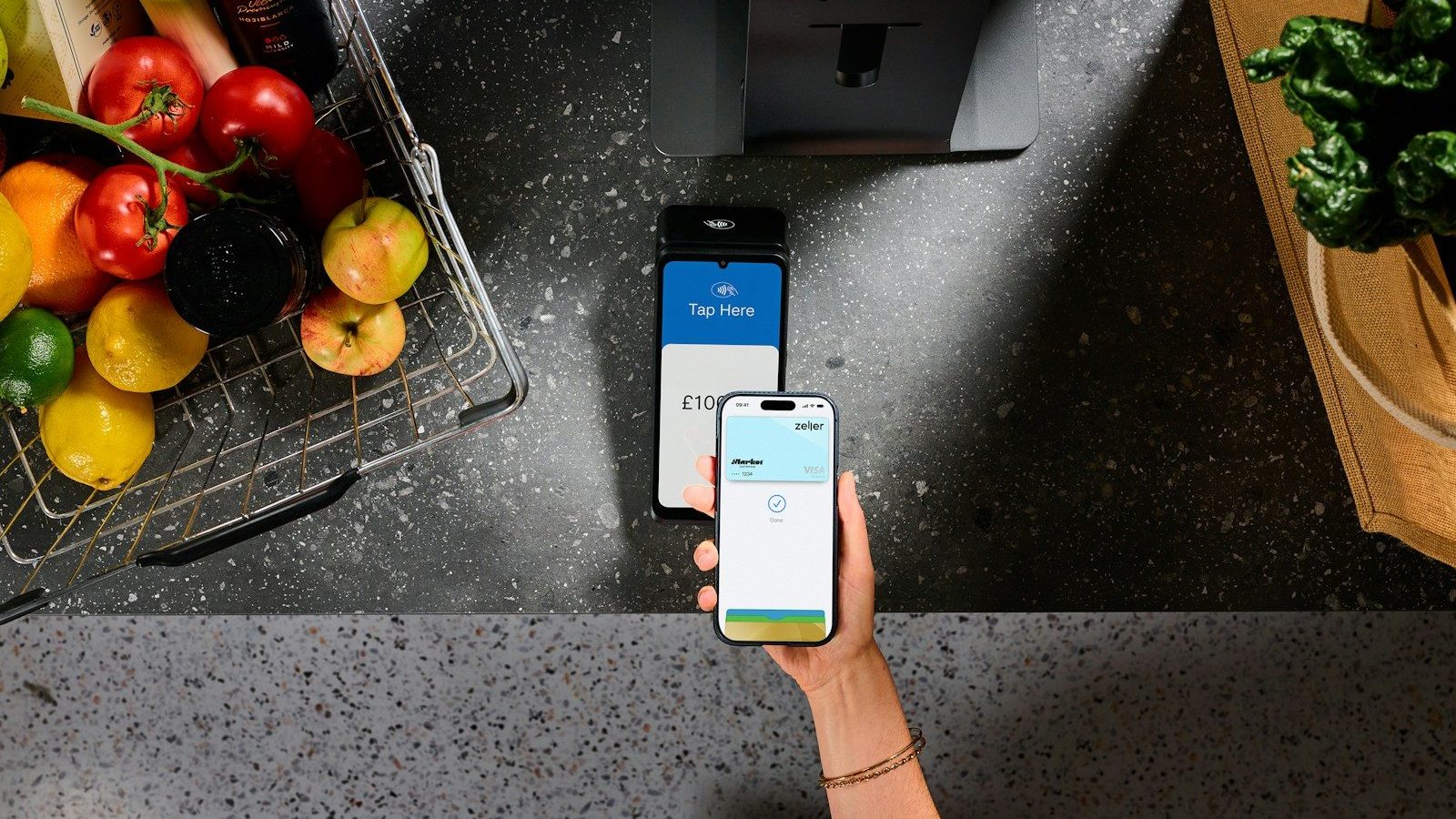
Open banking technology allows authorised financial services to connect with customer bank accounts through regulated interfaces.
In e-commerce, this can support direct account-based payments and financial verification.
The potential benefit is convenience.
Customers may be able to authenticate through their banking environment rather than entering traditional payment details.
However, trust and security are critical.
Customers need to understand what they are authorising and who is receiving access to their financial information.
QR Code Payments
QR codes have become another practical payment tool.
A customer can scan a code using a mobile device and complete payment through a supported wallet or banking application.
QR payments can be particularly useful for:
- Physical stores
- Pop-up shops
- Restaurants
- Events
- Social commerce
- Omnichannel businesses
They can also connect physical and digital experiences.
For example, a customer might scan a QR code on a product display to access an online checkout page.
Real-Time Payments
Real-time payment networks are also changing expectations.
Customers increasingly expect money to move quickly.
Traditional payment systems can sometimes involve delays, while real-time payment infrastructure can support much faster transfers in participating markets.
For businesses, faster payment settlement can improve cash flow and reduce waiting periods.
For customers, it can create a smoother purchasing experience.
Embedded Payments Are Making Transactions Invisible
One of the biggest trends in digital commerce is the idea of embedded payments.
Instead of making customers feel as though they are entering a separate payment environment, businesses can integrate payment directly into their existing platform or customer experience.
This can occur in:
- Marketplaces
- Mobile apps
- Subscription platforms
- Social commerce
- Online services
- Digital marketplaces
The less friction customers experience, the more natural the transaction can feel.
Payment Options for International Customers
International e-commerce makes payment diversity even more important.
Customers in different countries may have completely different payment preferences.
One market may strongly prefer cards. Another may favour bank transfers. Another may rely heavily on digital wallets or local payment networks.
Offering only the payment methods popular in your home market can limit international growth.
Before expanding internationally, research:
- Local payment preferences
- Currency requirements
- Payment regulations
- Refund expectations
- Fraud patterns
- Local wallets
- Bank payment systems
Localisation isn’t just about translating your website.
It also means localising the checkout experience.
Security Must Come First
More payment options mean more potential security considerations.
Businesses need to protect customers from:
- Payment fraud
- Account takeover
- Phishing
- unauthorised transactions
- Fake payment pages
- Credential theft
Customers should recognise that a payment option is legitimate and secure.
Use established payment providers, secure checkout systems, appropriate authentication, and clear customer communication.
Never sacrifice security simply to offer another payment method.
Authentication and Customer Convenience
Security and convenience can sometimes appear to conflict.
Customers want transactions to be secure, but they don’t want to complete ten verification steps for every purchase.
Modern payment systems increasingly aim to balance both goals.
Strong authentication methods can include:
- Biometrics
- Device authentication
- One-time verification
- Tokenised payment credentials
- Risk-based authentication
The goal is to provide security without unnecessary friction.
How Businesses Should Choose Payment Options
More isn’t always better.
Before adding a new payment method, ask several questions.
Do Customers Actually Want It?
Check customer surveys, analytics, market data, and support requests.
Does It Improve Checkout?
A payment option should solve a genuine https://www.staravis.com/en/2025/12/13/turning-customer-pain-points/customer problem.
What Does It Cost?
Consider transaction fees, integration costs, operational requirements, and potential fraud losses.
Is It Available in Your Target Market?
A payment method may be popular in one country and almost irrelevant in another.
How Complicated Are Refunds?
Always understand how refunds and disputes work before implementing a new method.
Don’t Overload the Checkout Page
Adding ten payment logos doesn’t necessarily create a better experience.
Too many choices can make the checkout page feel complicated.
A better strategy is to prioritise the most relevant options.
For example:
Primary options:
- Card
- Digital wallet
- Local payment method
Additional options:
- BNPL
- Bank payment
- Other supported methods
The exact combination should depend on your customer base.
Test Payment Options Before Expanding
If you’re unsure whether a new payment method will improve results, test it.
Track:
- Payment-method usage
- Conversion rate
- Cart abandonment
- Average order value
- Refunds
- Chargebacks
- Customer satisfaction
- Payment failures
A payment option that looks promising in theory may not perform well in your particular store.
Data should guide expansion.
The Importance of Transparent Pricing
Emerging payment methods can create confusion if fees or instalment terms aren’t explained clearly.
Customers should understand:
- Total purchase price
- Installment amounts
- Payment schedule
- Interest or fees where applicable
- Refund conditions
- Currency
- Any additional charges
Surprises at checkout can quickly destroy trust.
Transparency is especially important with financing-related payment options.
Don’t Forget About Refunds
Payment flexibility also affects refunds.
Before launching a new payment method, understand:
- How refunds are initiated
- How long refunds take
- Whether refunds return to the original payment method
- How partial refunds work
- How cancelled orders are handled
Customers often care more about refunds when something goes wrong than they care about the original payment process.
A smooth payment system should include a smooth recovery process.
Payment Technology and Customer Trust
Payment is one of the most sensitive parts of an e-commerce transaction.
Customers are trusting your business with their money.
A modern checkout should, therefore, communicate the following:
- Security
- Transparency
- Simplicity
- Familiarity
- Control
Recognisable payment methods can provide reassurance.
Clear explanations can reduce uncertainty.
A professional checkout design can reinforce credibility.
The Future of E-Commerce Payments
The future of payments is likely to become more personalised and less visible.
Customers may increasingly expect payment systems to adapt to their preferred devices, wallets, currencies, and financing preferences.
AI may also help businesses personalise payment experiences by presenting the most relevant options to individual customers.
For example, a customer shopping from a particular country might automatically see the payment methods most commonly used there.
At the same time, regulatory oversight and security requirements are likely to remain important.
The winning payment experience will not simply be the one with the most technology.
It will be the one that makes paying feel safe, simple, and natural.
In conclusion, emerging payment options are changing the way customers interact with e-commerce businesses.
BNPL can provide payment flexibility. Digital wallets can make checkout faster. Account-to-account payments can offer alternative transaction routes. QR codes can connect physical and digital commerce. Cryptocurrency can serve customers who prefer digital assets. Real-time payments can improve speed.
But businesses shouldn’t add payment methods simply because they are trendy.
The best payment strategy begins with the customer.
Understand how your audience shops, where they live, what devices they use, and which payment methods they trust. Then offer a carefully selected mix that improves convenience without creating unnecessary complexity.
Most importantly, prioritise transparency and security.
A smooth checkout should feel almost effortless. Customers should know what they are paying, how they are paying, and what happens if something goes wrong.
In the end, emerging payment technology is not really about technology at all.
It is about removing friction between “I want this” and “I bought this”.
The businesses that understand that distinction will be better positioned to create faster, more flexible, and more trustworthy shopping experiences.
FAQs About Emerging Payment Options
1. What is BNPL in e-commerce?
Buy Now, Pay Later allows eligible customers to divide a purchase into multiple scheduled payments instead of paying the full amount immediately. Terms, fees, eligibility, and repayment structures vary by provider and market.
2. Should every online store accept cryptocurrency?
No. Cryptocurrency may be useful for businesses whose customers actively use digital assets, but it can introduce additional considerations involving volatility, accounting, taxes, regulations, refunds, and security. Businesses should evaluate actual customer demand before adding it.
3. Are digital wallets important for online stores?
Digital wallets can be highly valuable because they simplify checkout, especially on smartphones. They can reduce the need for customers to repeatedly enter card details and may create a faster purchasing experience.
4. How many payment options should an e-commerce store offer?
There is no universal number. The ideal selection depends on your target customers, location, product prices, and shopping behaviour. A small number of popular, trusted options is generally more useful than an overwhelming list of choices.
5. How can businesses choose the right emerging payment methods?
Start by studying your customers and target markets. Look at payment preferences, checkout abandonment, transaction costs, fraud risks, refund processes, and actual payment usage. Test promising options and use performance data to decide whether they deserve a permanent place in your checkout.