


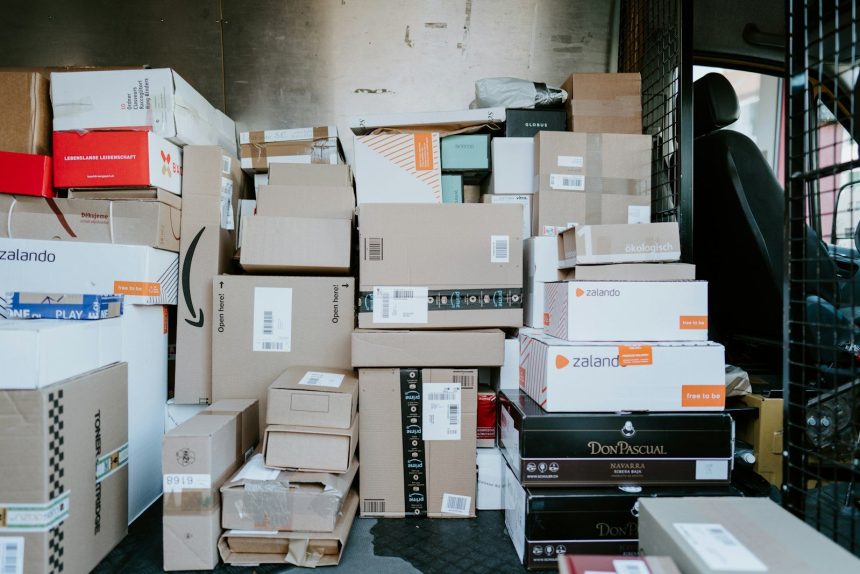
Packing and Shipping Tips: A customer’s relationship with your brand doesn’t end when they click the “Buy Now” button. In many ways, it enters a completely different stage.
- What Is an Unboxing Experience?
- Why Packaging Is Part of Your Brand
- Choose the Right Packaging Size
- Protect Products From Damage
- Use Protective Materials Strategically
- Make the Package Easy to Open
- Create a Logical Unboxing Sequence
- Add a Personal Thank-You Message
- Include Useful Packaging Inserts
- Make Sustainability Part of the Experience
- Balance Sustainability With Product Safety
- Use Branded Packaging Thoughtfully
- Protect the Product From Weather
- Choose Reliable Shipping Materials
- Test Your Packaging Before Launching It
- Think About Shipping Costs
- Create a Consistent Packing Process
- Step 1: Verify the Order
- Step 2: Select the Correct Packaging
- Step 3: Protect the Products
- Step 4: Add Inserts
- Step 5: Seal Securely
- Step 6: Apply the Shipping Label
- Step 7: Perform a Final Check
- Train Employees on Packing Standards
- Make Returns Easier
- Use Packaging to Encourage Repeat Purchases
- Encourage Customers to Share Their Unboxing
- Use QR Codes for Digital Experiences
- Personalize Where It Makes Sense
- Monitor Packaging-Related Complaints
- Track Packaging Performance
- Common Packing Mistakes to Avoid
- Using Too Much Packaging
- Using Too Little Protection
- Ignoring Product Presentation
- Using Poor-Quality Tape
- Forgetting Weather Protection
- Including Too Many Promotional Inserts
- Skipping Quality Checks
- How to Create a Memorable Unboxing Experience on a Budget
- FAQs About Packing and Shipping Tips
- 1. Why is the unboxing experience important for e-commerce businesses?
- 2. What is the most important packing tip for online businesses?
- 3. How can a small business create premium packaging without spending too much?
- 4. Should businesses use sustainable packaging?
- 5. How can businesses improve their packaging over time?
The moment your package arrives at the customer’s door, your brand gets another opportunity to make an impression. The packaging, shipping condition, presentation, product protection, and even the small details inside the box can influence how customers feel about their purchase.
That is the power of the unboxing experience.
Think about the difference between receiving a product inside a damaged, oversized box filled with loose packing material and opening a carefully prepared package where everything has its place. The product might be identical, but the emotional experience is completely different.
A thoughtful unboxing experience can make customers feel valued, encourage positive reviews, generate social media content, and increase the likelihood of repeat purchases. On the other hand, poor packaging can turn an exciting purchase into disappointment.
So, how can an e-commerce business create an excellent unboxing experience without spending a fortune?
The answer lies in smart planning, practical packaging, reliable shipping, and attention to detail.
What Is an Unboxing Experience?
The unboxing experience refers to everything a customer encounters when receiving and opening an online order.
It can include:
- The shipping box or mailer
- Product protection
- Packaging design
- Labels and inserts
- Thank-you cards
- Product presentation
- Organization inside the package
- Brand messaging
- Ease of opening
- Overall condition upon arrival
It is essentially the physical version of your digital storefront.
Your website may have beautiful photography and polished product descriptions, but the package is where your online promise becomes a physical reality.
Why Packaging Is Part of Your Brand
Packaging isn’t simply a container.
It communicates something about your business.
A carefully designed package can suggest that your brand is
- Professional
- Reliable
- Thoughtful
- Premium
- Sustainable
- Creative
- Customer-focused
Likewise, careless packaging can communicate the opposite.
Imagine ordering a premium handmade product and receiving it in a damaged box with excessive tape and no protection. Even if the product itself is excellent, the customer may question whether the business is truly professional.
Your packaging should therefore match your brand identity.
A luxury brand might use elegant minimalism. A playful children’s brand might use colorful illustrations. An environmentally conscious company might emphasize recyclable and reusable materials.
The packaging should feel like an extension of the product.
Choose the Right Packaging Size
One of the simplest ways to improve shipping is to choose appropriately sized packaging.
A box that is too large creates several problems.
First, the product may move around during transportation. Second, you may need more protective material. Third, you’re paying to ship unnecessary space.
A box that is too small creates different problems. The product may be compressed, damaged, or difficult to remove.
The goal is to create a comfortable fit.
Your product should have enough room for appropriate protective material without swimming around inside the package.
Avoid Excessive Empty Space
Large empty spaces can make a package look inefficient and may increase shipping costs.
Instead of automatically reaching for the biggest box available, consider maintaining several packaging sizes for your most common products.
For small businesses, even two or three standardized box sizes can make fulfillment easier and more efficient.
Protect Products From Damage
The first responsibility of packaging is protection.
Beautiful packaging means very little if the product arrives broken.
Consider the risks your package may encounter during transportation:
- Dropping
- Compression
- Vibration
- Moisture
- Temperature changes
- Stacking
- Rough handling
Different products require different protection.
Fragile products may need bubble wrap, molded inserts, paper cushioning, foam protection, or other appropriate materials.
Clothing may need waterproof inner packaging.
Cosmetics may require leak-resistant packaging.
Electronics may need anti-static and impact-resistant protection.
Before choosing packaging, ask yourself:
“If this box were dropped, shaken, or placed under several heavier boxes, would the product survive?”
If the answer is uncertain, improve the protection.
Use Protective Materials Strategically
Protective materials should serve a purpose.
Common options include:
- Kraft paper
- Corrugated inserts
- Paper padding
- Air pillows
- Bubble wrap
- Molded pulp
- Foam inserts
- Protective sleeves
Your choice should depend on the product, shipping distance, and risk of damage.
For example, a lightweight item may require minimal cushioning, while glass products need considerably more protection.
Avoid simply filling every box with excessive material. The goal is protection without unnecessary waste.
Make the Package Easy to Open
Have you ever fought with a package using scissors, a knife, your fingernails, and probably a little frustration?
Customers shouldn’t have to do that.
Easy-open packaging creates a smoother experience.
Consider:
- Tear strips
- Pull tabs
- Simple folds
- Resealable packaging
- Clearly marked opening points
If a product requires special opening instructions, provide them clearly.
Remember, the unboxing experience should feel exciting—not like a battle against cardboard.
Create a Logical Unboxing Sequence
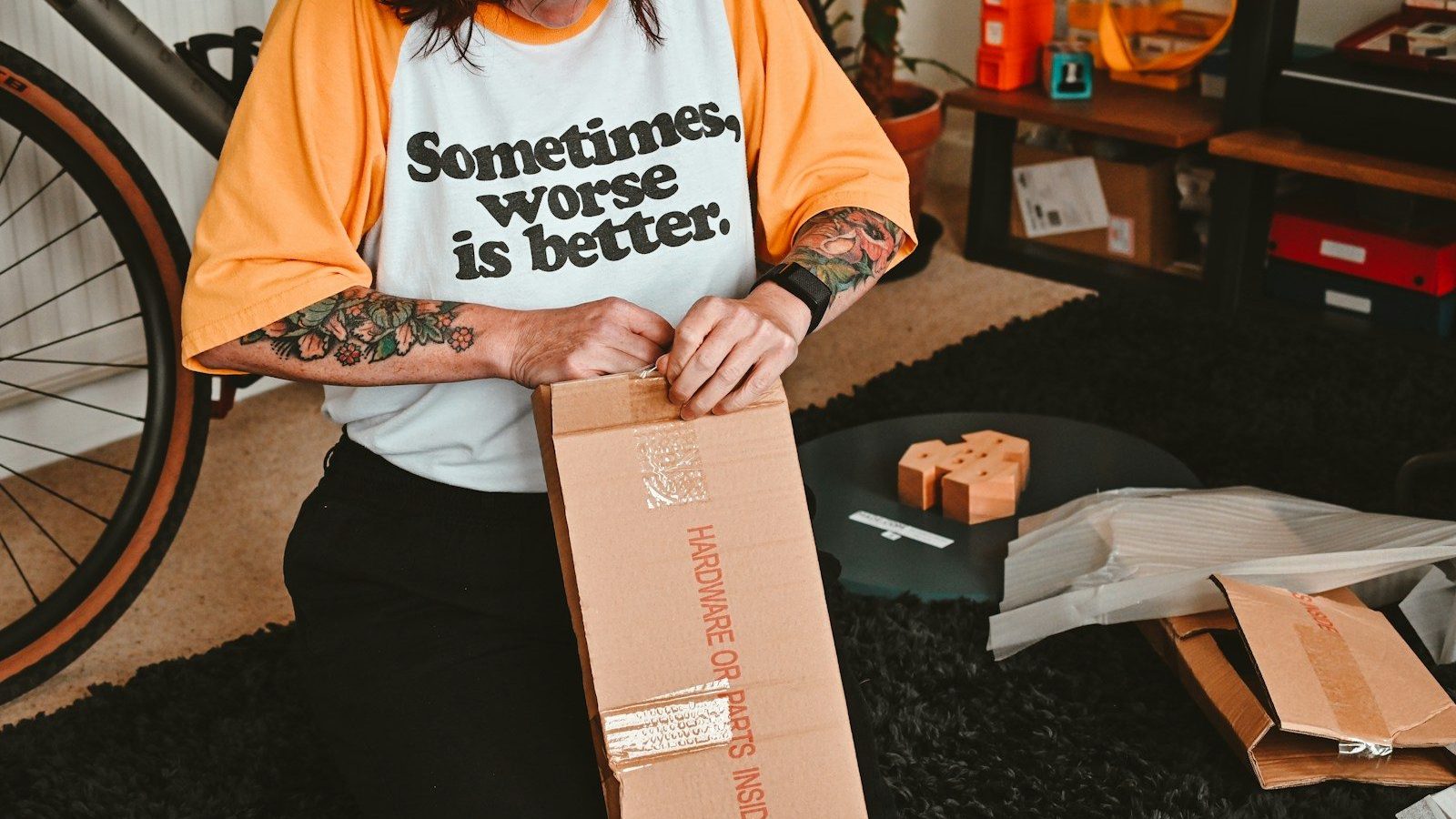
Think about what the customer sees first.
When the box opens, does the product immediately look appealing?
Or do they see packing material, invoices, shipping documents, and random items?
A well-organized package can create a sense of discovery.
For example:
- Open the box.
- See a simple thank-you message.
- Remove the protective layer.
- Discover the product beautifully presented.
- Find helpful information or accessories underneath.
This sequence creates anticipation.
You don’t necessarily need expensive packaging. You simply need to think about the order in which customers encounter things.
Add a Personal Thank-You Message
A thank-you card is a small gesture that can have a surprisingly strong emotional effect.
It doesn’t need to be elaborate.
Something as simple as
“Thank you for supporting our small business. We hope you love your order!”
can make the transaction feel more personal.
If your brand has a friendly personality, let that personality appear in the message.
For handmade businesses, personalized notes can be particularly effective because they reinforce the human element behind the product.
Include Useful Packaging Inserts
Packaging inserts can provide information without overwhelming the customer.
Useful inserts may include:
- Thank-you cards
- Care instructions
- Setup guides
- Product usage tips
- Warranty information
- Return instructions
- Referral offers
- Loyalty program information
- Social media details
However, don’t turn the package into a stack of advertisements.
Every insert should have a reason to exist.
A useful care guide may help the customer protect their purchase. A referral card may encourage them to share the product with friends.
The best inserts improve the customer experience while supporting your business goals.
Make Sustainability Part of the Experience
Environmental concerns are increasingly influencing purchasing decisions.
Customers may appreciate packaging that minimizes unnecessary waste.
Consider using:
- Recyclable cardboard
- Paper-based cushioning
- Reusable packaging
- Minimal plastic
- Recycled materials
- Right-sized boxes
- Soy or water-based inks where appropriate
But don’t make sustainability claims you cannot support.
Also remember that sustainability is about more than the material itself.
Using a recyclable box that is twice the necessary size isn’t particularly efficient.
The smarter approach is to reduce material use while maintaining adequate product protection.
Balance Sustainability With Product Safety
There is an important principle to remember:
Damaged products create waste too.
If reducing packaging causes products to arrive broken, the environmental benefits can quickly disappear.
Therefore, sustainability should not mean removing necessary protection.
Instead, look for better materials and smarter packaging designs that provide both protection and lower environmental impact.
For example, replacing excessive plastic filler with appropriately sized recycled paper cushioning may achieve both goals.
Use Branded Packaging Thoughtfully
Branded packaging can help customers recognize your business immediately.
Your logo, typography, colors, patterns, or signature messaging can make a package feel distinctive.
However, branding doesn’t need to cover every inch of the box.
Minimal branding can sometimes feel more premium than excessive graphics.
Consider a simple branded sticker, printed tape, custom tissue paper, or small logo.
The objective is recognition, not visual overload.
Protect the Product From Weather
Packages travel through unpredictable environments.
Rain, humidity, snow, heat, and rough conditions can damage certain products.
If your product is sensitive to moisture, consider using waterproof inner packaging even if the outer shipping box is sturdy.
This is particularly important for:
Think beyond the warehouse.
Your package may sit outside a customer’s door during bad weather before they can retrieve it.
Choose Reliable Shipping Materials
Your shipping materials should be designed for transportation rather than appearance alone.
Corrugated cardboard is widely used because it offers a strong balance of protection, weight, and cost.
Mailers can work well for soft or flexible products.
Rigid packaging may be appropriate for fragile items.
Whatever you choose, test it.
A package that looks strong on a desk may behave very differently during actual shipping.
Test Your Packaging Before Launching It
Never assume packaging works perfectly because it looks good.
Perform practical tests.
You can simulate common transportation conditions by:
- Shaking the package
- Turning it upside down
- Applying moderate pressure
- Checking whether contents move
- Inspecting corners
- Testing seals
- Reviewing how easily the package opens
For more valuable products, professional packaging testing may be worthwhile.
The goal is to identify weaknesses before customers do.
A failed test in your warehouse is much cheaper than a damaged product arriving at someone’s home.
Think About Shipping Costs
Packaging affects your profit margin.
You need to consider:
- Box cost
- Protective material
- Labels
- Tape
- Printing
- Labor
- Shipping weight
- Package dimensions
- Storage requirements
Sometimes a slightly more expensive box can save money by reducing product damage.
Likewise, reducing unnecessary packaging weight can lower shipping expenses.
Track your total packaging cost per order rather than looking only at the price of the box.
Create a Consistent Packing Process
Consistency matters as your business grows.
A clear packing process reduces mistakes and makes fulfillment easier to manage.
A simple workflow might look like:
Step 1: Verify the Order
Check the customer’s name, products, quantities, and variations.
Step 2: Select the Correct Packaging
Choose the smallest appropriate package that safely fits the order.
Step 3: Protect the Products
Use the correct cushioning or protective material.
Step 4: Add Inserts
Include thank-you messages, instructions, or other relevant materials.
Step 5: Seal Securely
Use appropriate tape and ensure every opening is properly closed.
Step 6: Apply the Shipping Label
Make sure the label is readable and correctly positioned.
Step 7: Perform a Final Check
Confirm that the package is secure and matches the order before handing it to the carrier.
A repeatable process makes fulfillment more reliable.
Train Employees on Packing Standards

If multiple people prepare orders, everyone should follow the same basic standards.
Create clear packing guidelines covering:
- Packaging selection
- Product protection
- Insert placement
- Sealing
- Label placement
- Quality checks
- Special product requirements
This prevents one employee from creating beautifully packed orders while another sends poorly protected packages.
Make Returns Easier
The unboxing experience should also consider what happens if a customer needs to return the product.
A confusing return process can erase much of the goodwill created by attractive packaging.
Consider including clear return instructions or providing packaging that can be reused for a return when appropriate.
If the original box can be resealed easily, customers may find the return process much less stressful.
Remember, customer experience includes difficult moments too.
Use Packaging to Encourage Repeat Purchases
The package can quietly encourage customers to return.
For example, you might include:
- A loyalty invitation
- A discount for a future order
- A referral program
- A QR code leading to helpful product content
- Information about related products
The key word is quietly.
Don’t turn every order into a sales brochure.
A single relevant invitation can be more effective than ten promotional messages.
Encourage Customers to Share Their Unboxing
People love sharing interesting purchases online.
A memorable package can therefore become user-generated marketing.
You might encourage customers to share their experience through a simple message such as the following:
“Loved your order? Tag us when you unbox it.”
Make sure the experience is worth sharing before asking customers to share it.
Customers are much more likely to post attractive, unique, or thoughtful packaging than a generic shipping box.
Use QR Codes for Digital Experiences
Physical packaging can connect customers with digital content.
A QR code might lead to:
- Product tutorials
- Setup instructions
- Care guides
- Brand stories
- Loyalty programs
- Customer support
- Product recommendations
- Social media pages
This approach can reduce the amount of printed material inside the box while providing customers with additional information.
It also gives you an opportunity to continue the customer journey after delivery.
Personalize Where It Makes Sense
Personalization can make a package memorable.
Depending on your business model, you might personalize the following:
- Customer names
- Thank-you notes
- Product recommendations
- Loyalty offers
- Packaging inserts
However, personalization should feel natural.
A simple personalized message can be charming. Excessive personalization can feel automated or intrusive.
Use customer information thoughtfully and only where it improves the experience.
Monitor Packaging-Related Complaints
Your customers can tell you where your packaging fails.
Pay attention to complaints such as the following:
- Products arriving damaged
- Boxes arriving crushed
- Too much packaging
- Difficult opening
- Missing instructions
- Leaking products
- Missing accessories
- Poor presentation
Don’t treat these complaints merely as customer-service problems.
They are feedback about your fulfillment system.
If several customers report the same issue, investigate the packaging process rather than simply replacing individual products.
Track Packaging Performance
Good packaging should produce measurable results.
Monitor:
- Damage rate
- Return rate
- Packaging cost per order
- Shipping cost
- Customer complaints
- Product review sentiment
- Repeat purchase rate
- Fulfillment time
You can also compare packaging changes.
For example, if switching to a better insert reduces damage from 3% to 1%, the additional packaging expense may be justified.
Packaging decisions should be based on both customer experience and business economics.
Common Packing Mistakes to Avoid
Several mistakes appear repeatedly in e-commerce fulfillment.
Using Too Much Packaging
Excess material increases cost and waste.
Using Too Little Protection
This increases damage and returns.
Ignoring Product Presentation
Customers notice when products look messy inside the package.
Using Poor-Quality Tape
A package that opens during transportation is a serious problem.
Forgetting Weather Protection
Moisture can destroy otherwise perfectly packed products.
Including Too Many Promotional Inserts
Customers may feel overwhelmed.
Skipping Quality Checks
Small packing mistakes can create expensive customer-service problems.
Avoiding these issues can improve both efficiency and customer satisfaction.
How to Create a Memorable Unboxing Experience on a Budget

You don’t need custom boxes or expensive printed materials to create a great experience.
Start with the basics.
Use clean packaging. Protect products properly. Keep the box appropriately sized. Add a simple thank-you message. Organize the contents neatly. Make the package easy to open.
Then add inexpensive touches such as the following:
- Branded stickers
- Printed thank-you cards
- Simple tissue paper
- Product care instructions
- Small loyalty cards
The difference often comes from thoughtfulness rather than spending.
In conclusion, shipping is more than moving a product from your warehouse to a customer’s home. It is a critical part of the customer journey.
A well-designed package protects the product, communicates your brand, creates excitement, and can encourage customers to return. A poor package can do the opposite.
The best approach is to combine practicality with personality.
Choose the right size. Protect products carefully. Make packages easy to open. Reduce unnecessary waste. Add useful information. Keep branding consistent. Test your packaging before sending it to customers. Most importantly, think about how the experience feels from the customer’s perspective.
Your goal isn’t to create the most expensive package.
It is to create a package that makes the customer think:
“They really cared about getting this right.”
That feeling can be worth far more than fancy packaging. It can become the beginning of a long-term relationship between the customer and your brand.
FAQs About Packing and Shipping Tips
1. Why is the unboxing experience important for e-commerce businesses?
The unboxing experience shapes the customer’s first physical interaction with your brand. Good packaging can improve satisfaction, encourage reviews, increase social sharing, and support repeat purchases while also protecting the product from damage.
2. What is the most important packing tip for online businesses?
Product protection should always come first. Packaging should be strong enough to protect the product during handling and transportation while still being appropriately sized and cost-effective.
3. How can a small business create premium packaging without spending too much?
Focus on presentation rather than expensive materials. Clean packaging, appropriate sizing, organized contents, simple branded stickers, thank-you cards, and thoughtful product presentation can create a premium feel without requiring costly custom boxes.
4. Should businesses use sustainable packaging?
Sustainable packaging can reduce waste and appeal to environmentally conscious customers, but it must still protect the product. The best solution balances durability, material efficiency, recyclability, and overall shipping requirements.
5. How can businesses improve their packaging over time?
Track damage rates, customer complaints, packaging costs, returns, and reviews. Ask customers for feedback and test packaging changes before rolling them out widely. Small improvements to materials, sizing, protection, and presentation can produce meaningful long-term results.